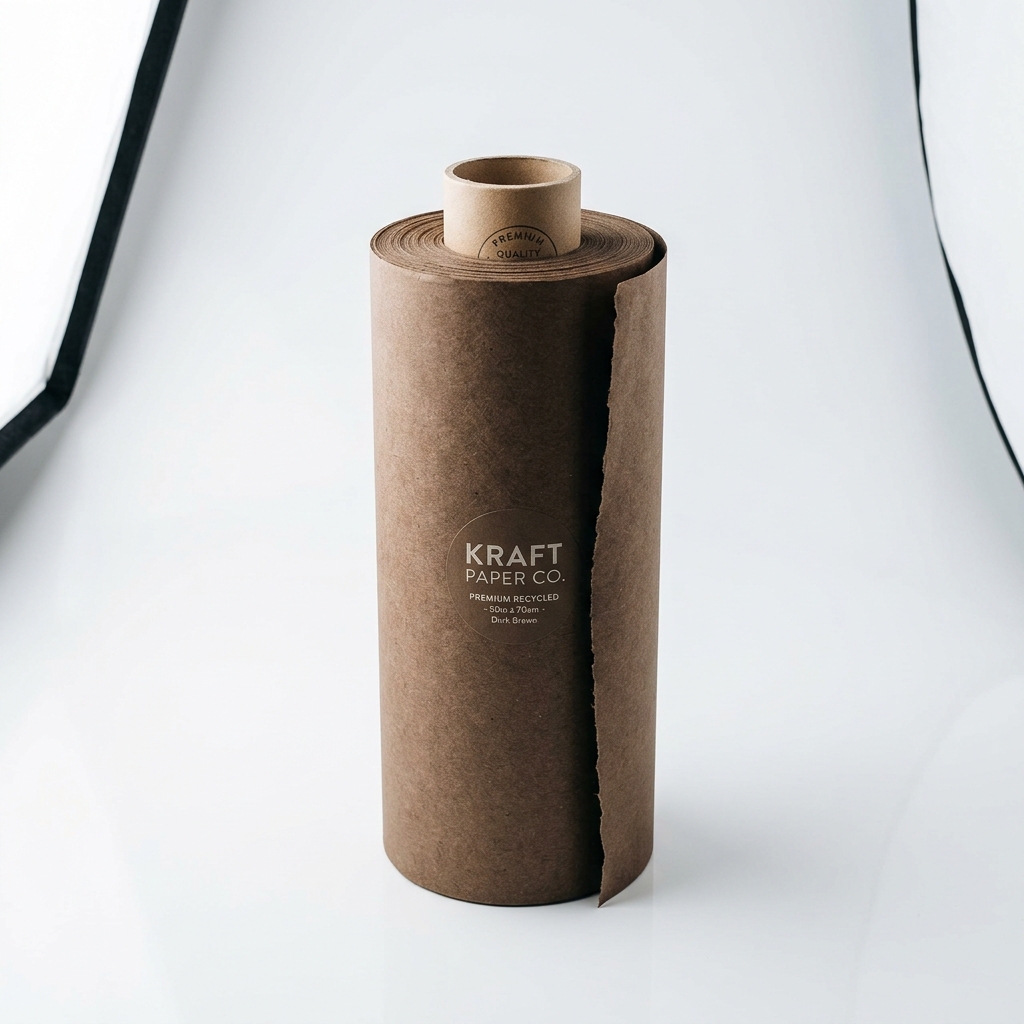

When sourcing corrugated packaging for the first time, the terminology can feel overwhelming. BF, GSM, 3-ply, 5-ply, flute size — what does it all mean, and why does it matter for your business? This comprehensive guide demystifies industrial packaging specifications so you can make informed purchasing decisions.
What Is GSM?
GSM stands for Grams per Square Metre — it measures how heavy (and therefore how dense and thick) a paper is. A higher GSM means heavier, more durable paper. For example:
- 70–120 GSM: Light-duty wrapping paper, tissue-grade materials
- 120–200 GSM: Standard craft and kraft paper for corrugated liners
- 200–400 GSM: Duplex board for high-quality retail packaging and printing
When you specify a corrugated box, each layer (liner and fluting medium) will have its own GSM. A 3-ply box might use 150 GSM liners and a 120 GSM fluting medium.
What Is Burst Factor (BF)?
Burst Factor is perhaps the most critical specification in corrugated packaging. It measures the paper's resistance to rupturing under pressure — the higher the BF, the stronger the packaging.
BF is calculated as: Bursting Strength (kPa) ÷ GSM. Common BF grades we supply include:
- BF 16 – Light duty, e-commerce parcels and garment boxes
- BF 18–20 – General manufacturing, FMCG packaging
- BF 22–25 – Industrial components, auto parts, heavy electronics
- BF 28 – Export grade, heavy machinery parts and bulk chemicals
Understanding Ply Configurations
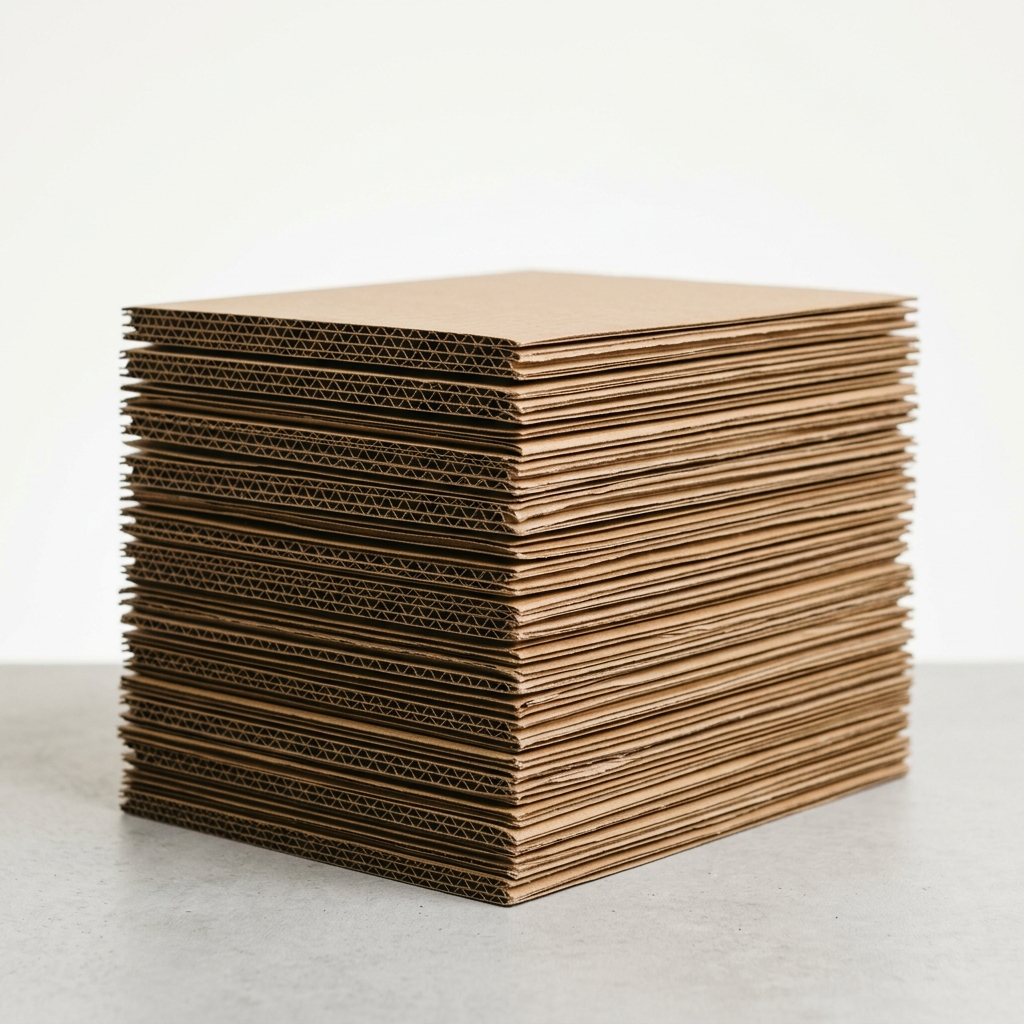
The ply of a corrugated sheet refers to the number of paper layers. Each additional ply adds strength, rigidity, and cushioning:
- 3-Ply (Single Wall): One fluted middle layer sandwiched between two liners. Most common for light-to-medium products, e-commerce, and food packaging.
- 5-Ply (Double Wall): Two fluted layers. Provides excellent stacking strength and is used for appliances, automotive parts, and industrial goods.
- 7-Ply (Triple Wall): Used for very heavy or fragile items requiring maximum protection, such as glass, heavy machinery components, and bulk retail.
Flute Types & Their Applications
The wave-like middle layer of corrugated board is called the flute. Different flute sizes offer different properties:
- A-Flute: Largest flute, maximum cushioning for fragile items
- B-Flute: Medium flute, best stacking resistance, used for canned goods
- C-Flute: Most common, balanced cushioning and compression strength
- E-Flute: Thin, smooth surface ideal for high-quality printing
How to Choose the Right Specification
When ordering corrugated packaging, consider these four factors:
- Product Weight: Heavier products need higher BF and more plies
- Stacking Height: Products stacked during transport need high compression strength
- Climate Exposure: Humid environments may require moisture-resistant paper
- Printing Needs: E-flute and duplex liners offer the best print quality
Not sure what specification is right for your product? Call our technical team at +91 99112 62009 — we offer free packaging consultation for all B2B buyers.